


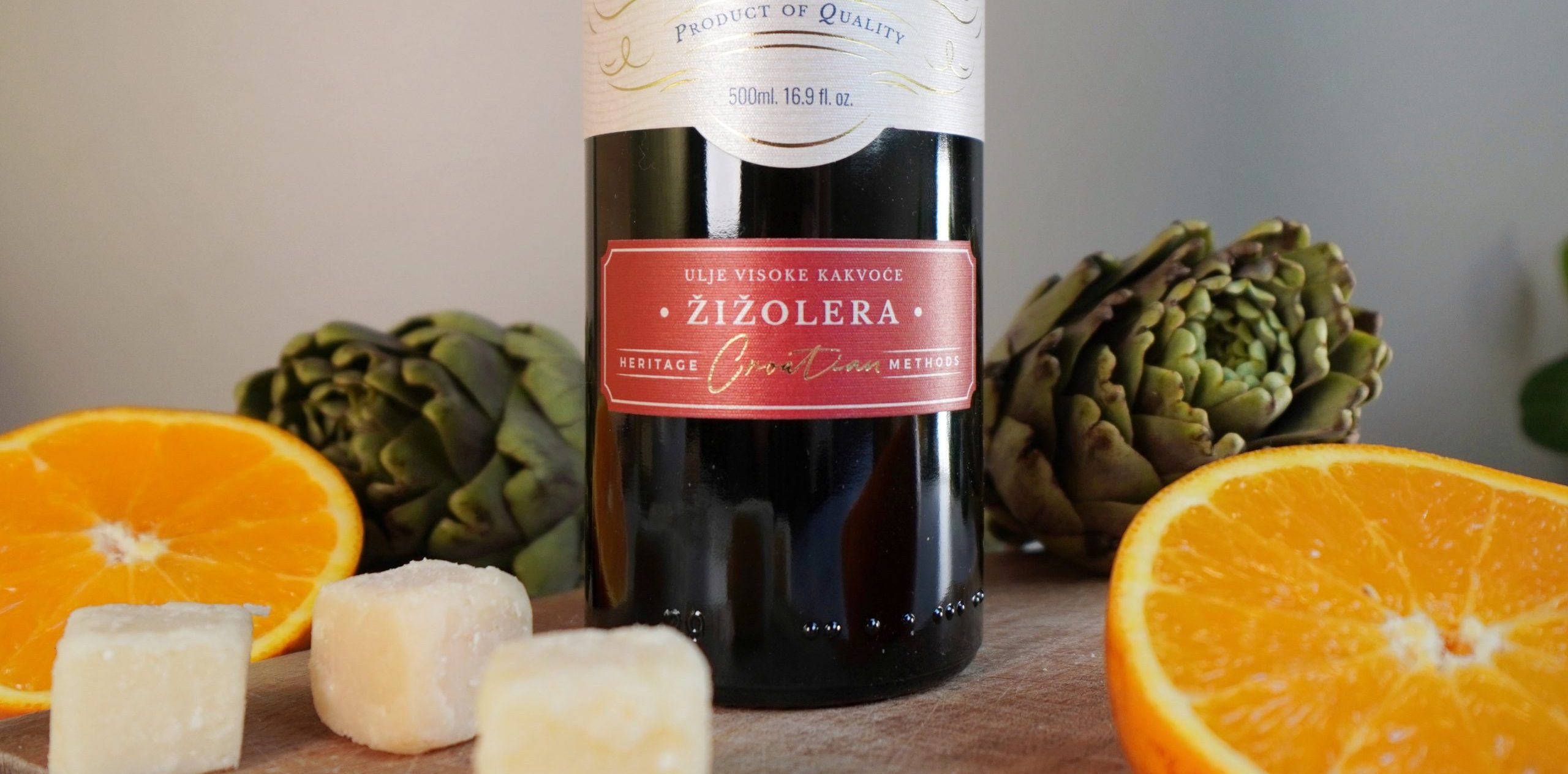
Olive oil tasting is often seen as something reserved for experts, but the truth is that anyone can learn to recognize quality. Even more importantly, anyone can truly start enjoying it! In the Červar family, we believe that good olive oil doesn’t have to be complicated—but it is worth understanding.
Just like wine, olive oil has its own character, notes, and “language.” Once you learn how to listen to it, every drop takes on a new meaning.
PREPARATION: the step everyone skips
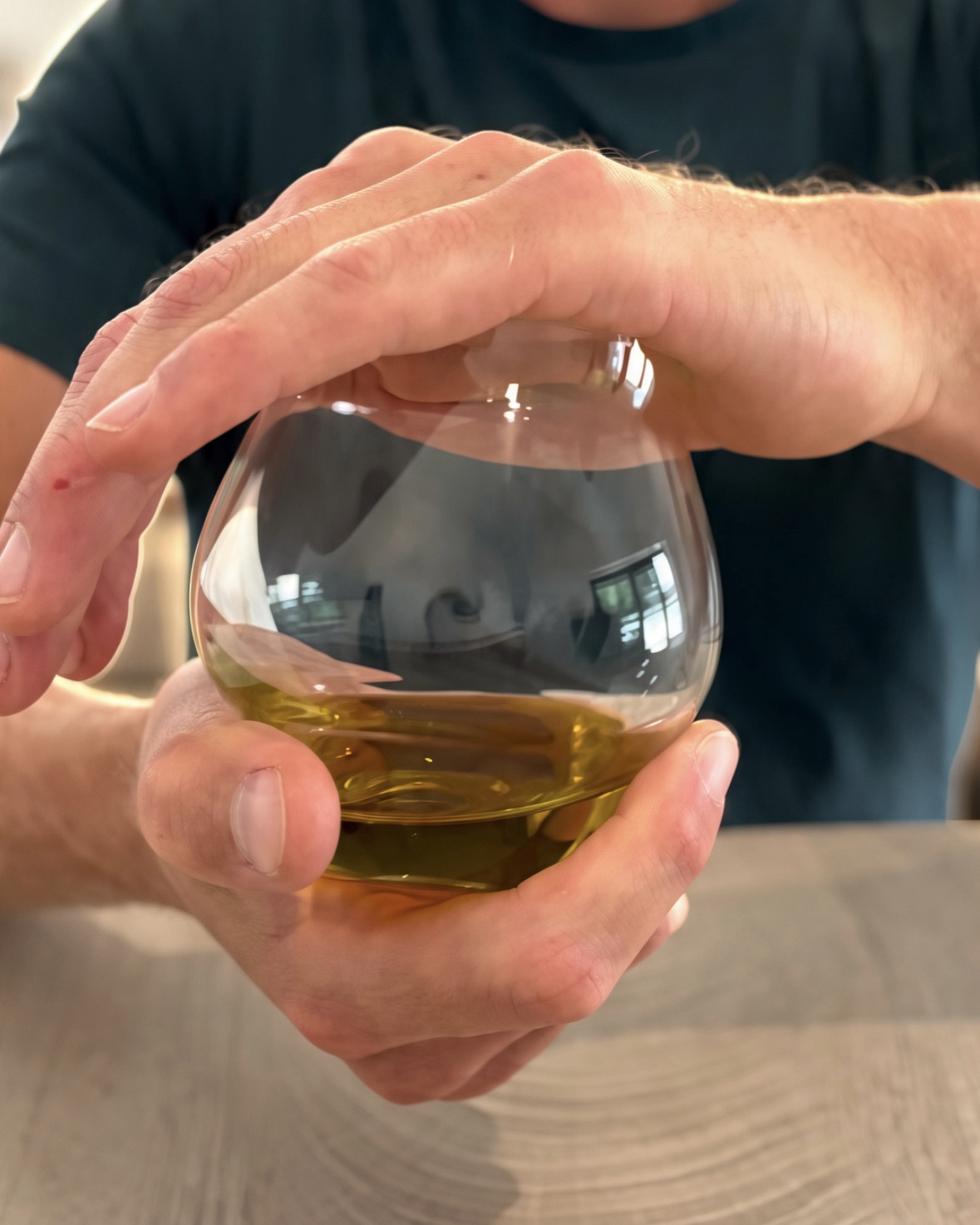
Before tasting, the oil needs to be “prepared.” Professionals use small dark glasses, but at home, a simple glass or cup works just fine.
The key element? Warmth.
Hold the glass in your hand and gently warm it for a few moments. The heat helps release the aromas. Without this step, part of the oil’s richness will remain hidden.
AROMA: the first impression matters
Before tasting, smell it.
Bring the glass close to your nose and take a deep breath. A high-quality olive oil reveals a wide range of aromas: from freshly cut grass, green leaves, and tomato, to almond and aromatic herbs.
There are no right or wrong answers. What you perceive is your interpretation—and that’s the beauty of it.

TASTING: the moment of truth
Take a small sip and let it sit in your mouth. Then gently draw in some air through your teeth. This small trick helps spread the oil and unlock its full flavor.
This is where the real experience begins. You’ll notice the texture, the body, and then something that surprises many – a slight bitterness and pungency.
VIDEO: Step by step olive oil tasting
A SIGN OF QUALITY: bitterness and pungency
If you feel a slight burn in your throat or bitterness on your tongue, you’re on the right track!
These characteristics come from natural polyphenols: powerful antioxidants responsible for the health benefits of olive oil. The richer the oil is in these compounds, the higher its quality.
That’s why professionals look for that “kick” in the throat, it’s a sign of freshness, proper processing, and top-quality olives.

Final impression
After tasting, pay attention to what lingers. How long does the flavor last? Is it balanced or sharp? Does it remind you of something? A good olive oil doesn’t disappear quickly. It stays present, rounded, and pleasant.
Fun facts!
Professional tasters sample dozens of oils a day, but between each one, they eat a slice of apple or drink water to reset their palate.
And one more thing: in olive oil, “fruitiness” doesn’t mean sweetness, it means freshness and vibrancy.
Olive oil tasting isn’t reserved for experts. It’s an experience anyone can learn. Once you start paying attention to aromas and flavors, olive oil becomes more than just an ingredient—it becomes an essential part of every dish.
And most importantly – you start choosing better.